
In today’s world, relationships are evolving in ways that reflect deeper self-awareness and a stronger focus on mental health. More than ever, people are realizing that boundaries, honesty, and vulnerability are not barriers to connection—they are the very foundation of it. Whether you’re navigating the impact of social media, discussing mental health with a partner, or figuring out what healthy communication looks like in your relationship, these values are at the center of it all.
The Importance of Boundaries
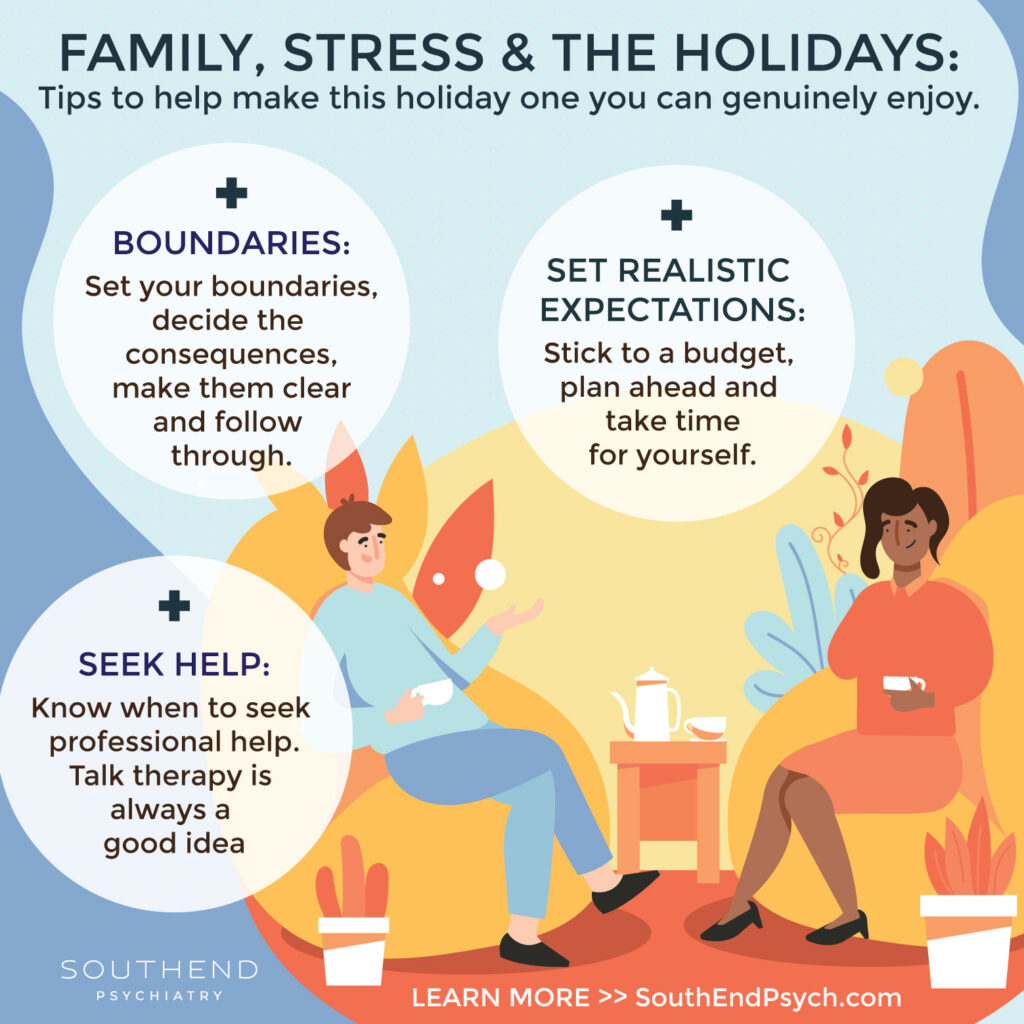
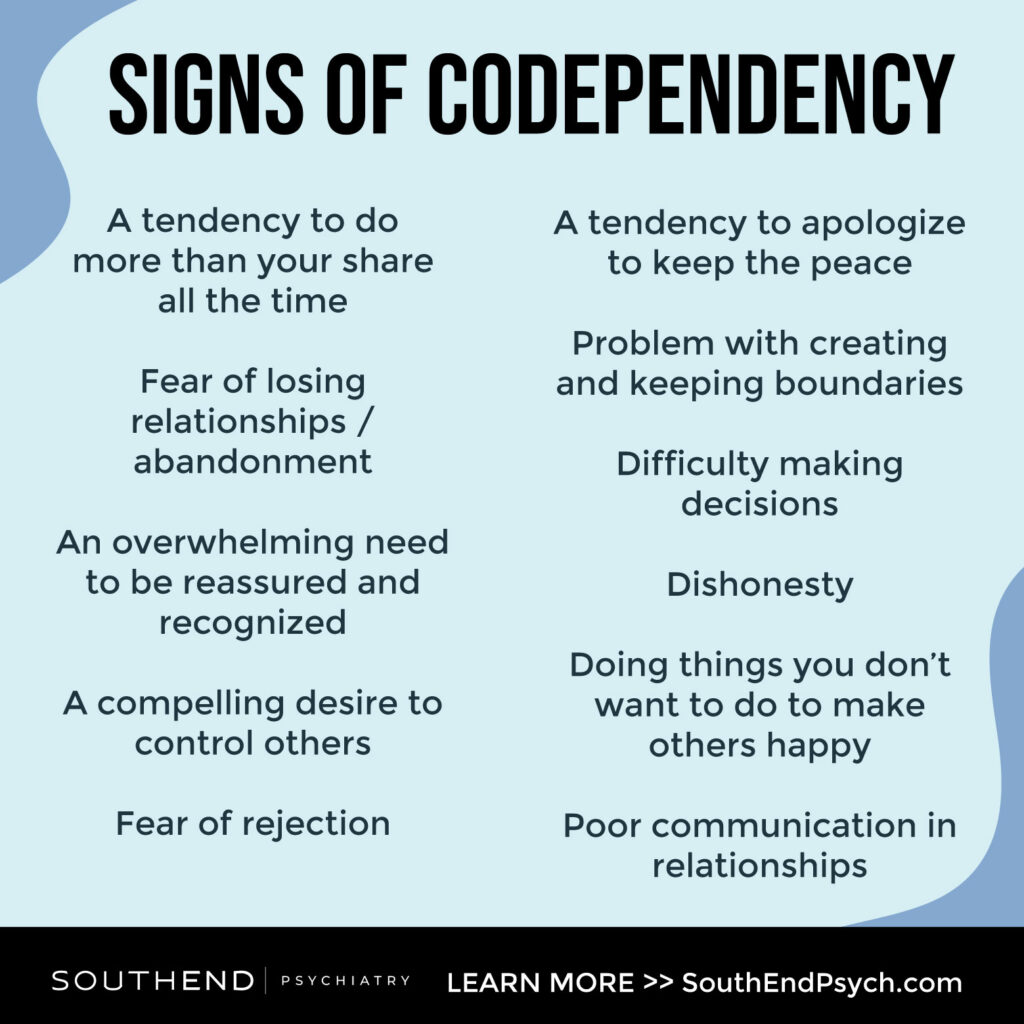
Boundaries are not about pushing people away—they’re about creating space for respect and safety. In relationships, emotional boundaries help define what feels supportive versus what feels overwhelming. For example, knowing when you need alone time, how much energy you can give during stressful periods, or how you want to be spoken to during conflict can prevent misunderstandings from becoming destructive patterns. Healthy boundaries are not rigid walls, but flexible guidelines that honor both partners’ needs.
Authenticity Builds Trust
Authenticity means showing up as your real self, without hiding behind masks or trying to meet unrealistic expectations. In relationships, this can look like being honest about your struggles, sharing your values openly, and resisting the urge to curate a “perfect” version of your life for others—especially on social media. When authenticity is at the heart of connection, trust grows naturally. Partners can feel more secure knowing they are loved for who they are, not for who they pretend to be.
Vulnerability as Strength
For many, vulnerability still feels uncomfortable—it can seem like exposing your flaws or weaknesses. But in truth, vulnerability is where intimacy lives. Opening up about your fears, past hurts, or mental health challenges allows your partner to support you more fully. It also creates opportunities for mutual growth, showing that strength comes from sharing life’s weight together rather than carrying it alone.
Navigating Mental Health Conversations
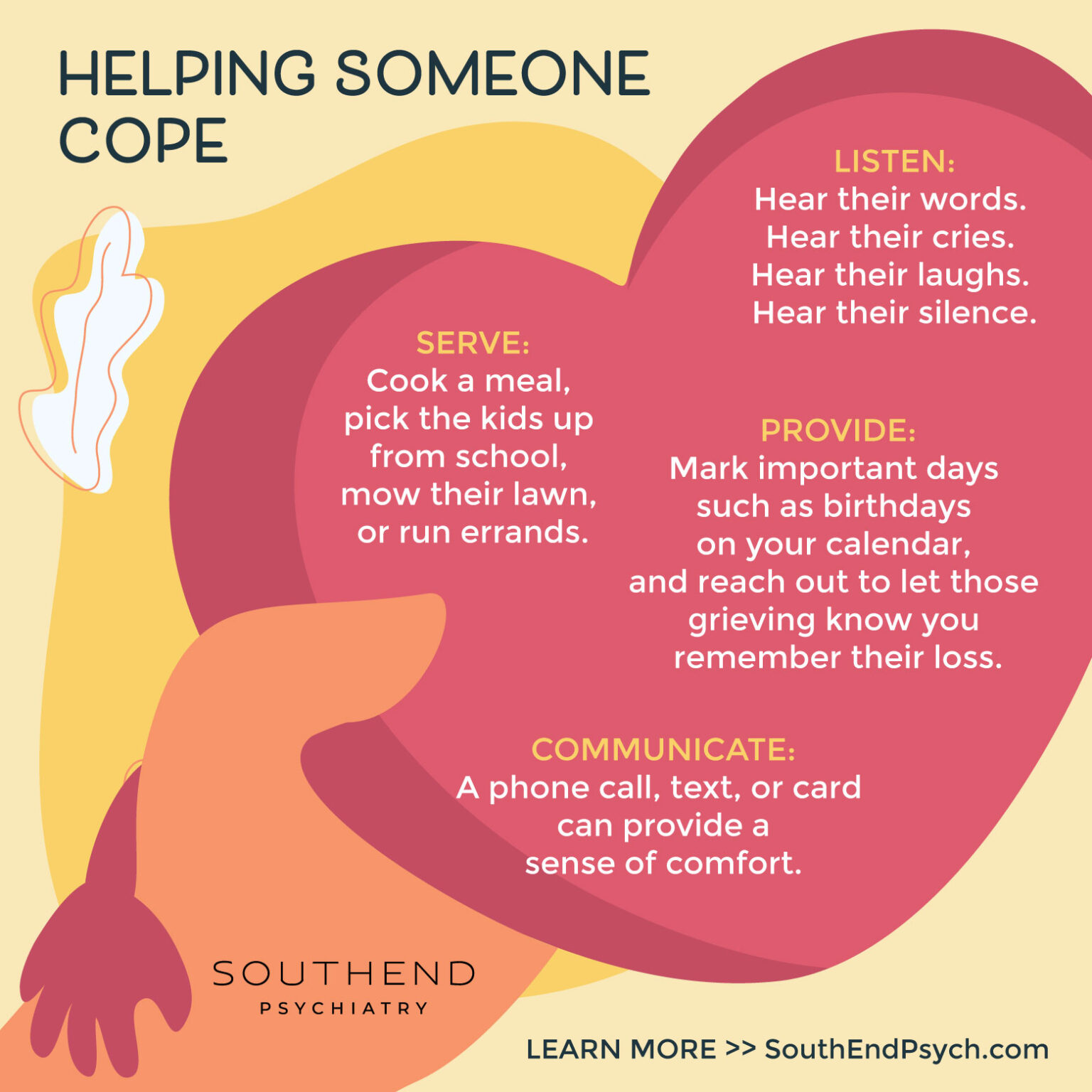
Mental health is no longer something to keep hidden in relationships. Couples are increasingly acknowledging that anxiety, depression, burnout, or trauma may show up at different times, and that supporting each other requires patience and empathy. Healthy communication means asking your partner what kind of support they need, rather than assuming. It means listening without judgment, validating their feelings, and also respecting your own capacity. Sometimes supporting a partner may involve encouraging professional help, while other times it’s simply being present.
Social Media’s Influence
Social media has added a new layer of complexity to modern relationships. Comparison, performative posting, and the pressure to maintain appearances can quietly erode authenticity. Couples who thrive often establish digital boundaries—deciding what they share online, when to unplug, and how to prioritize real-life connection over curated feeds. By talking openly about how social media impacts each partner, couples can avoid unnecessary tension and build more genuine intimacy offline.
Redefining Healthy Communication
Ultimately, healthy communication today is about more than “talking it out.” It’s about listening with presence, honoring differences without defensiveness, and speaking with clarity instead of criticism. Healthy communication balances honesty with kindness, accountability with compassion, and self-expression with openness to the other person’s perspective.
Final Thoughts
Boundaries, authenticity, and vulnerability aren’t just buzzwords—they’re essential for sustainable, fulfilling relationships. By respecting personal limits, embracing honesty, and engaging in supportive conversations around mental health, couples can create stronger bonds built on trust and resilience. In a world where social media and stress often pull us away from connection, choosing authenticity and healthy boundaries brings us closer to the relationships we truly want.
Ready to talk? Schedule your session with SouthEnd Psychiatry today.