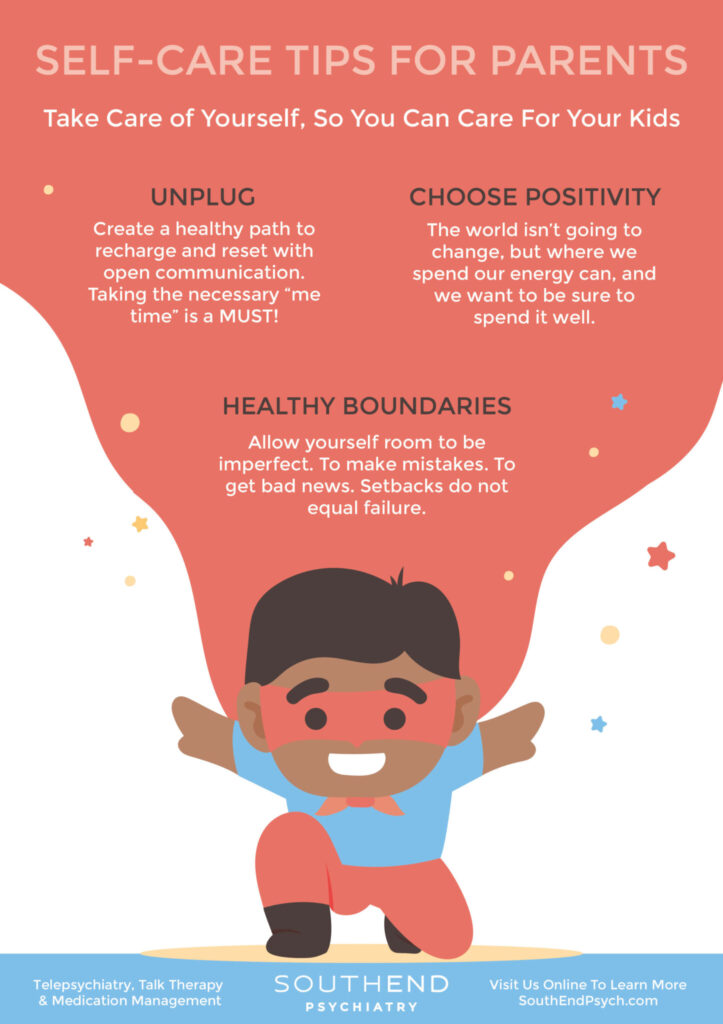

When the headlines feel overwhelming, protecting your peace of mind becomes more important than ever.
Politics has always been part of everyday life, but in today’s constantly connected world, it can feel nearly impossible to escape. From social media feeds and breaking news alerts to workplace conversations and family gatherings, political discussions seem to follow us everywhere.
For New Yorkers, the intensity can feel especially pronounced. In a city that rarely slows down, political debates, public demonstrations, crowded commutes, and everyday pressures can create an environment where stress feels unavoidable.
While staying informed and engaged is important, constant exposure to political tension can take a toll on your mental health. Understanding how political stress affects your emotions, relationships, and daily life is the first step toward finding a healthier balance.
When Political Stress Becomes Political Anxiety
It’s natural to feel concerned about political decisions, social issues, and events that may affect your future. However, when those concerns become persistent, overwhelming, or difficult to control, everyday stress can begin to resemble anxiety.
Political anxiety isn’t a formal mental health diagnosis, but it describes a very real experience. Uncertainty about the future, conflicting information, and feeling powerless to influence larger events can contribute to ongoing worry.
You may notice yourself:
- Constantly thinking about political events or potential outcomes.
- Feeling irritable, frustrated, or emotionally exhausted.
- Having difficulty concentrating on work or daily responsibilities.
- Experiencing disrupted sleep or racing thoughts.
- Feeling tension in relationships with people who hold different opinions.
The challenge isn’t necessarily caring too much about what’s happening in the world. It’s finding a way to remain engaged without allowing those concerns to consume your emotional well-being.
The Doomscrolling Cycle: When Staying Informed Becomes Overwhelming
Have you ever opened your phone to check one headline, only to realize you’ve spent 30 minutes reading increasingly upsetting news?
This habit, commonly called doomscrolling, can reinforce feelings of anxiety and helplessness.
Our brains are naturally attentive to potential threats. Repeated exposure to alarming headlines, heated arguments, and uncertain predictions can keep us mentally focused on danger, even when there’s nothing we can immediately do about the situation.
Over time, this heightened sense of alertness may contribute to irritability, difficulty relaxing, and emotional fatigue.
Try creating healthier news habits:
- Set specific times to check the news rather than monitoring updates throughout the day.
- Turn off nonessential breaking-news notifications.
- Choose a few reliable news sources instead of endlessly scrolling through social media.
- Avoid consuming upsetting content immediately before bedtime.
- Give yourself permission to disconnect without feeling guilty.
Being informed doesn’t require being constantly connected.
When Political Differences Strain Relationships
Political disagreements can become particularly stressful when they involve close friends, coworkers, or family members.
Conversations that once felt comfortable may suddenly become tense. You might find yourself avoiding certain people, rehearsing arguments in your head, or feeling hurt when someone you care about expresses a viewpoint that conflicts with your values.
While disagreements are inevitable, they don’t have to damage every relationship.
Healthy boundaries can help protect both your emotional well-being and your connections with others.
Consider using phrases such as:
- “I respect that we see this differently, but I’d rather not discuss politics today.”
- “This conversation is becoming stressful for me. Can we change the subject?”
- “I value our relationship, even when we disagree.”
- “I need to step away from this discussion.”
Not every disagreement requires a response, and not every conversation needs to end with someone changing their mind.
At the same time, maintaining boundaries doesn’t mean you must tolerate hostility, harassment, or repeated disrespect. It’s okay to limit interactions that consistently leave you feeling emotionally depleted.
Finding a Sense of Control in an Uncertain World
One of the most challenging aspects of political stress is the feeling that so much is happening beyond our individual control.
While we cannot determine every political outcome or influence every decision, we can choose how we respond to uncertainty.
Start by focusing on the areas of your life where your actions can make a meaningful difference.
Reconnect with your daily routine. Consistent sleep, physical activity, balanced meals, and time away from screens can support emotional stability.
Engage in meaningful action. Volunteering, participating in community initiatives, or becoming involved in causes that matter to you can help replace helplessness with a sense of purpose.
Make room for positive experiences. Spending time with friends, exploring your neighborhood, enjoying nature, or pursuing a hobby isn’t ignoring the world’s problems. It’s maintaining the emotional resources needed to navigate them.
Practice mindfulness. Deep breathing, meditation, and grounding exercises can help bring your attention back to the present moment when thoughts about the future become overwhelming.
Sometimes, protecting your mental health means recognizing that you can care deeply about the world while still making room for joy in your own life.
When Political Stress Becomes Something More
Feeling frustrated or anxious about current events is a common human response. However, persistent stress shouldn’t be dismissed simply because its source is understandable.
If political concerns are interfering with your sleep, concentration, relationships, or ability to enjoy everyday activities, it may be time to seek additional support.
Anxiety can sometimes develop into a pattern of excessive worry, avoidance, physical tension, or emotional distress that becomes difficult to manage independently.
A mental health professional can help you identify triggers, develop healthier coping strategies, and determine whether your symptoms may be related to an anxiety disorder or another mental health concern.
Seeking support doesn’t mean you need to stop caring about important issues. It means learning how to remain engaged without sacrificing your well-being.
Protecting Your Peace in a City That Never Stops
Living in New York City means being surrounded by diverse perspectives, passionate conversations, and a constant flow of information. That energy is part of what makes the city unique, but it can also make finding emotional breathing room challenging.
Whether you’re navigating political conversations at work, scrolling through headlines on the subway, or preparing for a family gathering where opinions may clash, remember that your mental health deserves attention, too.
You don’t have to participate in every debate, respond to every headline, or carry the emotional weight of every event.
You can stay informed, care deeply, and remain engaged while still protecting your peace of mind.
Find Support at SouthEnd Psychiatry
If ongoing stress, anxiety, or uncertainty is affecting your daily life, you don’t have to navigate it alone.
At SouthEnd Psychiatry, we understand how the pressures of modern life can affect your emotional well-being. Our team provides personalized mental health care to help New Yorkers manage anxiety, navigate difficult emotions, and develop healthier strategies for coping with stress.
Contact SouthEnd Psychiatry today to learn how we can help you regain a greater sense of balance, resilience, and peace of mind.