
A new year invites a fresh start, but real change begins long before resolutions are written. It begins with intention. When we shift from high-pressure goals to thoughtful, values-based direction, we create space for a healthier mindset that lasts well beyond January.
Below are practical ways to reset with intention and strengthen your mental and emotional well-being as you enter the year ahead.
Reflect Before You Reset
Instead of rushing into new commitments, pause and look back. What drained you this past year? What energized you? Reflection helps you understand your patterns so you can build with clarity rather than defaulting to old habits.
Ask yourself:
-
What did I learn about myself this year
-
When did I feel my best
-
What do I want to leave behind
This process is not about judgment. It is about awareness.
Set Intentions, Not Pressure-Filled Resolutions
Resolutions often fail because they focus on outcomes. Intentions focus on direction. They give you room to grow without attaching your worth to perfection.
Examples of intentions:
-
“I will protect my peace with healthy boundaries.”
-
“I will be more aware of how I speak to myself.”
-
“I will prioritize rest without guilt.”
Intentions allow you to build change gradually and compassionately.
Create Small, Sustainable Shifts
Meaningful transformation happens in small steps. Instead of trying to overhaul your life, choose one or two manageable habits that support your mental health.
Consider:
-
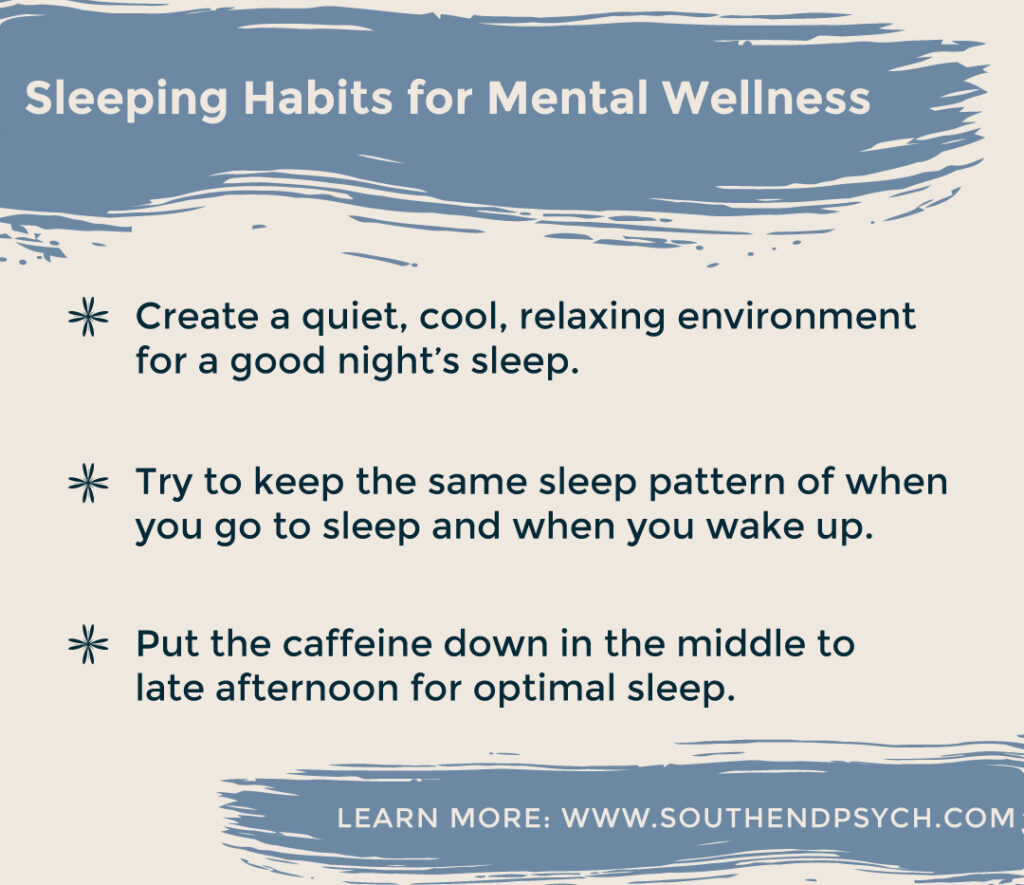
A consistent sleep routine
-
A five-minute daily grounding exercise
-
Scheduled breaks throughout your workday
-
A weekly check-in with yourself or a loved one
Small shifts compound over time and reinforce your new mindset.
Rebuild Your Inner Dialogue
Your self-talk shapes your experience. If your inner voice has been harsh, this is the year to rewrite the script. Notice the tone you use with yourself and practice responding with compassion instead of criticism.
Try replacing:
“I should be doing more”
with
“I am doing the best I can with what I have today.”
Your mind believes what you repeat. Choose words that support the life you are building.
Nurture Connection and Support
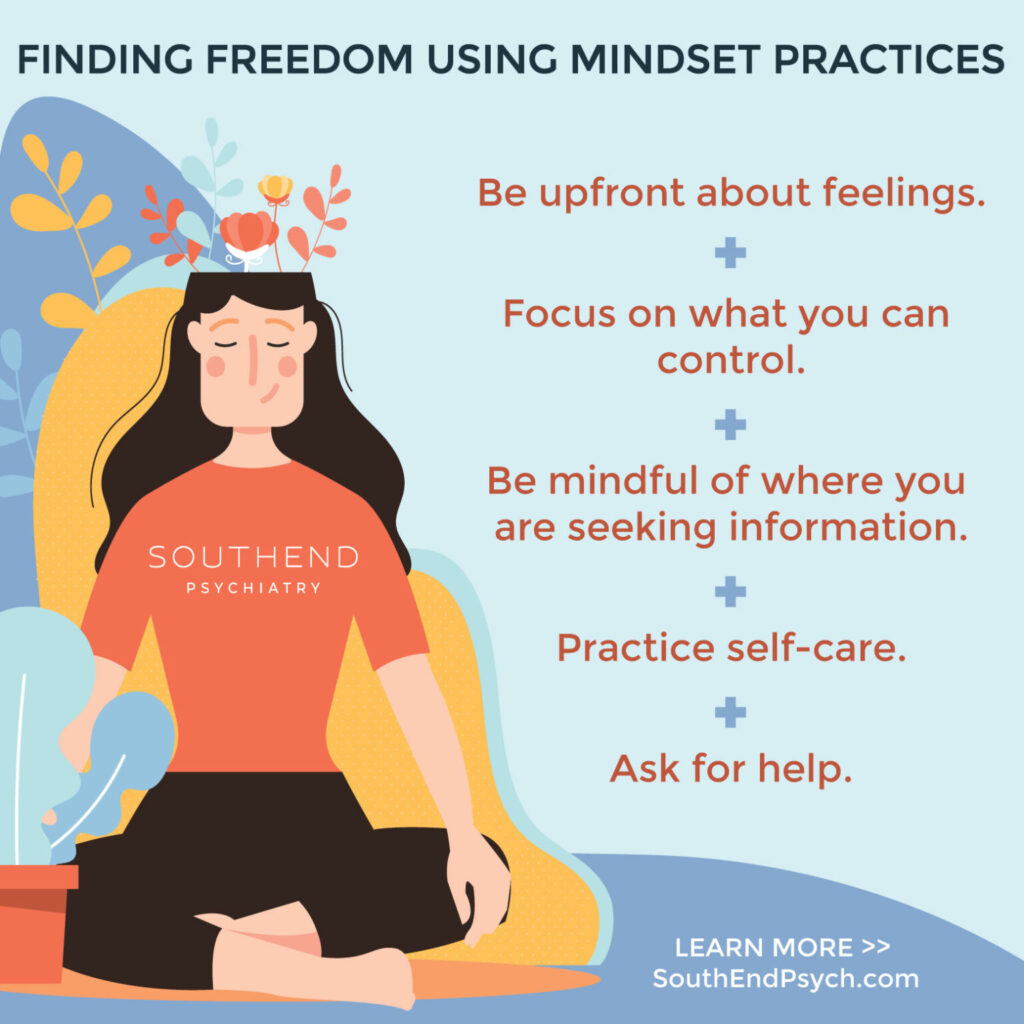
A healthier mindset is rarely built alone. Surround yourself with people who encourage your growth and help you stay grounded. Reach out to friends, join a community that supports your values, or connect with a mental health professional if you need guidance.
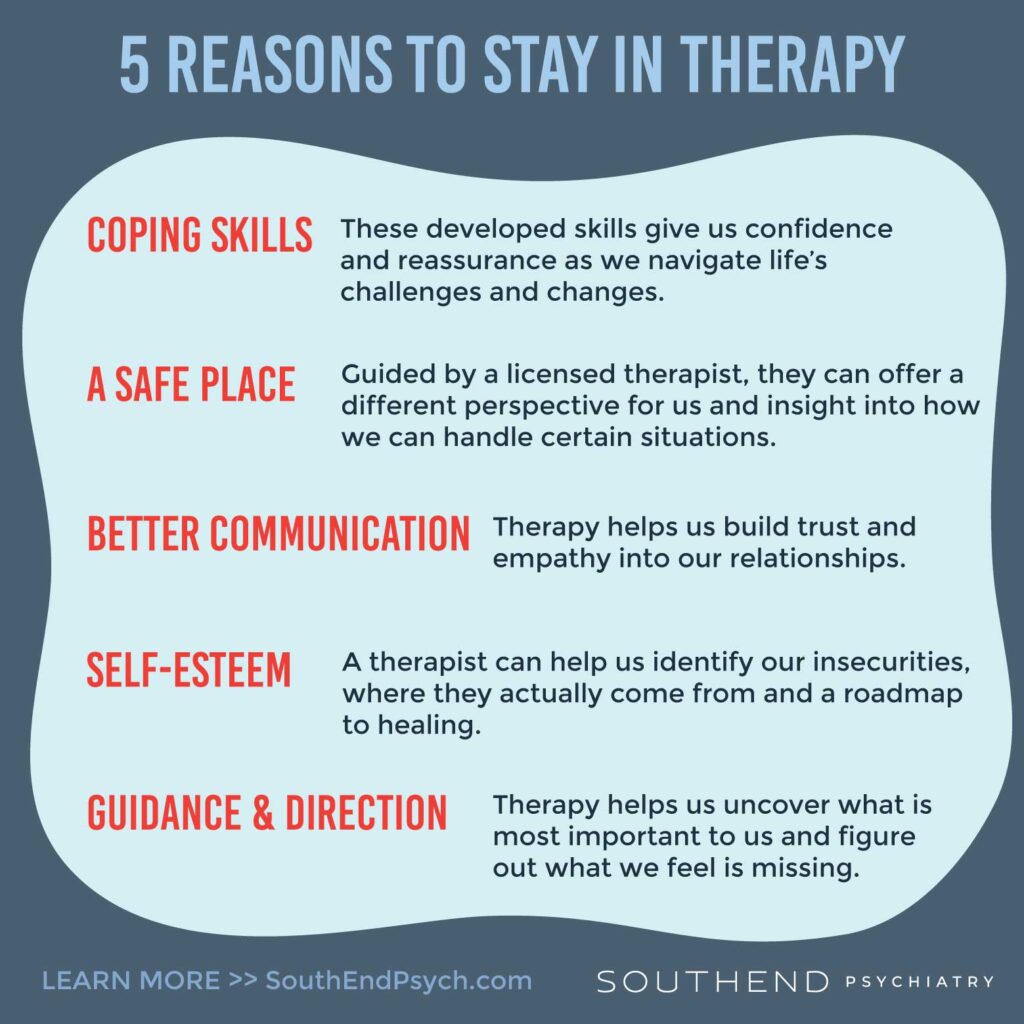
Therapy can provide a structured space to explore past patterns, clarify your intentions, and develop tools that strengthen your emotional resilience.
Give Yourself Permission to Begin Again
The new year does not require perfection. It simply invites possibility. Even when you slip, you can return to your intentions at any time. Each day is a fresh opportunity to realign with what matters most.
Start Your Year with Support
If you are ready to cultivate a healthier mindset but are unsure where to begin, SouthEnd Psychiatry is here to walk with you. Our team offers compassionate, evidence-based care to help you understand your patterns, strengthen your emotional well-being, and build a year rooted in purpose and peace.
Schedule an appointment and take the first step toward a more grounded and intentional year.
SouthEnd Psychiatry