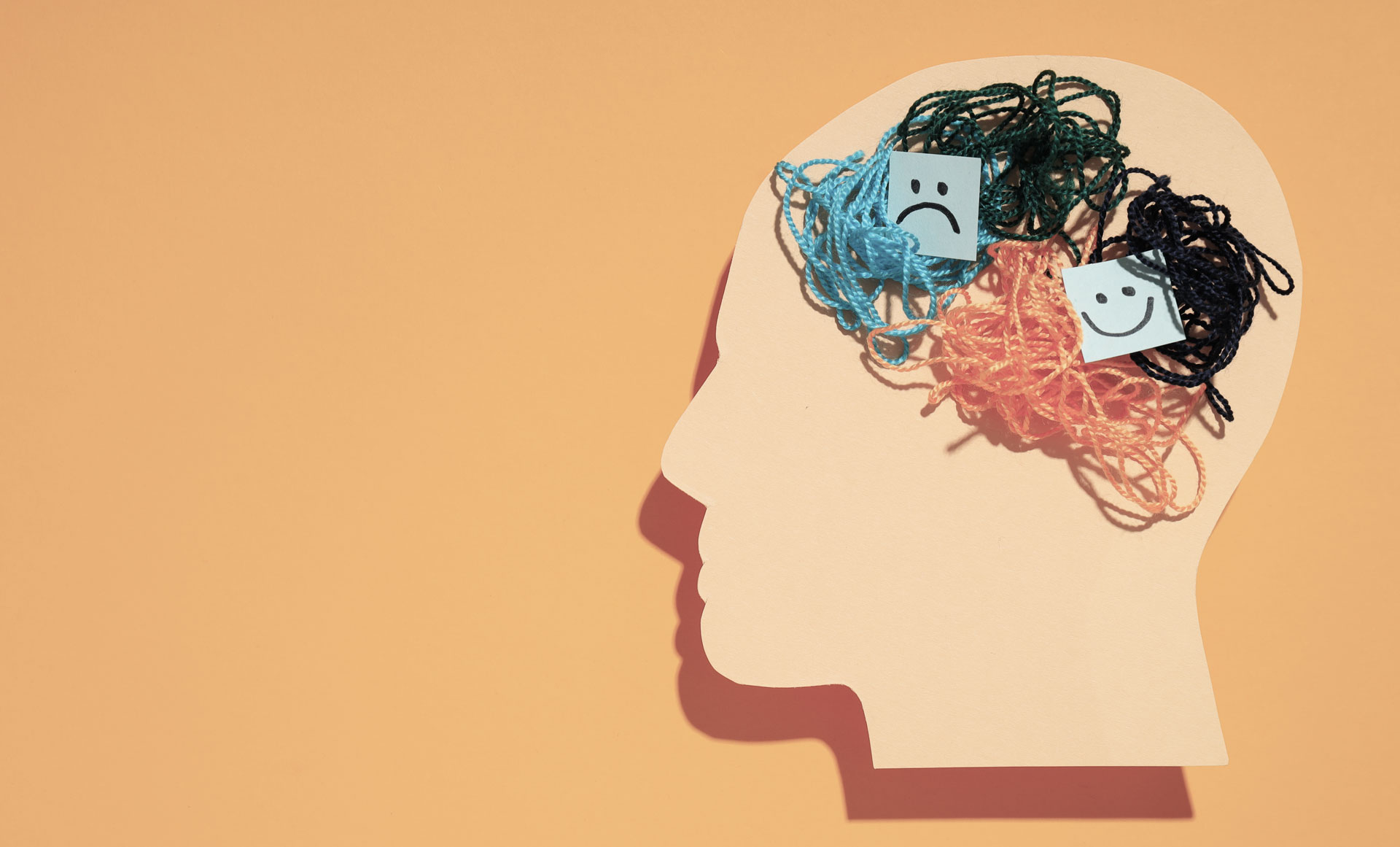

Finding your balance starts with getting the bipolar disorder types explained by people who understand your struggles. The condition lives on a wide spectrum, shifting from intense manic highs to quiet, lingering emotional waves. Knowing your exact subtype changes how you care for yourself and ensures you get support that truly fits your life.
Bipolar Disorder Beyond the Stereotypes: What Type 1, Type 2, and Cyclothymia Actually Look Like
You’ve probably heard someone call a moody day or a coworker “so bipolar.” But real life on this spectrum doesn’t look like Hollywood drama.
When you’re trying to make sense of your own highs and lows, having bipolar disorder types explained by someone who gets it changes everything. It helps you stop judging your shifts and finally find a steady, predictable rhythm.
The Harm of the “Moody” Myth
Real mood shifts don’t change in the blink of an eye or switch over lunch. They’re sustained emotional seasons lasting for days, weeks, or months. They alter your sleep, your speech, and your view of the world.
When you expect a Hollywood script, you might brush off your own pain as “not severe enough.” Even professionals can miss the signs if you seem highly organized on the outside.
This happens constantly with Bipolar II. Deep depressive weeks dominate, while the lighter “highs” just feel like a highly productive workforce streak.
Many people spend a decade being treated only for standard depression. Because those traditional treatments don’t look at the entire bipolar spectrum, they can accidentally cause more instability.
Getting the right label isn’t about fitting into a neat box. It’s about getting a clear roadmap so you can finally feel like yourself again.
Bipolar I Disorder: When Mania Takes the Wheel
Bipolar I is characterized by intense manic episodes that last at least seven days, or highs that become severe enough to require immediate hospital care.
While major down periods are incredibly common, you don’t technically have to experience them to receive this diagnosis.
What Mania Feels Like from the Inside
True mania isn’t just a burst of joy. Your brain chemistry changes its processing speed entirely. You might sleep for two hours and wake up with a surge of electricity. Your thoughts move so fast that your words can’t keep up.
You might even find yourself spending money impulsively, taking sudden risks, or making massive life choices without a second thought.
According to studies, these periods drastically shift a person’s baseline behavior. Sometimes it feels like pure euphoria and endless confidence.
Other times, it feels like intense irritability, extreme frustration, and a total inability to sit still.
Early mania can feel like a superpower. You feel creative, social, and completely unstoppable. It’s often only after the wave breaks that the true cost to your relationships and finances becomes clear.
The Crash That Follows
The high points of Bipolar I almost always lead to a heavy emotional drop. We aren’t talking about standard sadness. These seasons bring deep fatigue, a total loss of interest in your passions, changes in appetite, and heavy thoughts of worthlessness.
Moving between these two extremes can leave you feeling disconnected from your identity.
Bipolar II Disorder: The Quiet Highs and Deep Lows
When looking at bipolar 1 vs bipolar 2, the difference comes down to the intensity of the highs. Bipolar II features hypomania, which is a less severe form of elevated mood. It won’t cause breaks from reality or require hospital visits, but it still alters your internal world.
Hypomania Can Look Like Success
During a hypomanic phase, you feel incredibly capable and focused. You tackle home projects at midnight, join new social clubs, and feel highly optimistic. To your family, it just looks like you’re finally thriving.
Because these moments feel comfortable, they rarely get mentioned in a doctor’s office. You might see them as your normal personality. But hypomania is still an erratic state that drains your physical resources and sets the stage for a crash.
Depression as the Main Focus
For individuals with Bipolar II, depression is the baseline where they spend most of their time. These long, dark months interfere deeply with career goals and family life. If standard antidepressants make you feel agitated or cause your energy to jitter, a precise bipolar subtype diagnosis can provide the clarity you’ve been missing.
Cyclothymia: The Constant, Subtle Wave
Think of cyclothymia as a chronic, quieter rhythm. It involves emotional ups and downs that last for at least two years. The peaks and valleys are noticeable, but they don’t hit the full severity of major mania or deep clinical depression.
Living on a Continuous Rollercoaster
People managing cyclothymia symptoms often feel like they live on a moving target. The highs aren’t intense enough to cause an emergency, and the lows don’t completely paralyze them. Yet, the constant shifting is exhausting.
You might find yourself waiting for the next shoe to drop whenever you have a good day. It strains friendships because your emotional capacity shifts constantly, making it hard to make steady plans.
Why Small Waves Still Matter
Because these symptoms feel mild compared to other types, you might wonder if you’re just overly sensitive. But this chronic instability causes real friction in daily life. It also carries a higher risk of turning into Bipolar I or II later in life if left unsupported.
Seeking guidance early brings predictable structure back to your routine.
Why Self-Diagnosis Doesn’t Work
It’s natural to look at symptom lists and try to spot yourself. However, mapping the human brain takes an expert eye.
Many conditions mimic these exact patterns. Attention-Deficit/Hyperactivity Disorder (ADHD) causes bursts of high energy and racing thoughts that look like hypomania. Borderline Personality Disorder (BPD) involves rapid mood shifts, though they usually react directly to social triggers. Trauma and thyroid issues also cause emotional instability.
An evaluation looks at the duration of your patterns, your family history, and how your body responds to daily stress. This careful process ensures you get a treatment plan that helps rather than hurts.
Frequently Asked Questions About Bipolar Disorder Types
Can My Specific Diagnosis Change Over Time?
Yes. The way your symptoms present can change as you grow. If someone is managing Bipolar II and later experiences a single full manic episode, their diagnosis updates to Bipolar I. Ongoing care with a regular provider ensures your support matches your current health needs.
How Can I Tell a Healthy Good Mood Apart From Hypomania?
Look closely at the duration and the control you have over it. Healthy happiness feels grounded and connected to good news. Hypomania lasts for consecutive days, isn’t influenced by external circumstances, and makes you feel revved up like a motor. If your high moods lead you to make choices you later regret, it’s a sign to seek expert advice.
Why Do Traditional Antidepressants Cause Issues for Some People?
Without a stabilizing base, traditional antidepressants can push a vulnerable nervous system into a manic high or cause rapid cycling between states. This is why getting a comprehensive evaluation before starting any new medication is so important for long-term safety.
Is It Possible to Live a Stable, Predictable Life With This Condition?
Absolutely. This is a chronic condition, but it’s highly treatable. Through a blend of targeted lifestyle adjustments, consistent therapy, and proper medical support, most people find a steady rhythm that allows them to thrive in their careers and relationships.

You Don’t Have to Carry the Weight Alone
If your current treatment leaves you feeling misunderstood, or if your moods still feel like a rollercoaster, you don’t have to carry that weight alone.
Our compassionate team takes the time to listen to your full story. Reach out to us today to take your first step toward stable ground.
Disclaimer: This blog post is intended for educational purposes only and is not a substitute for professional medical advice. Always consult a qualified mental healthcare provider before starting any new medication or therapy. SouthEnd Psychiatry is not responsible for any injuries or damages resulting from the use of information provided in this post.