
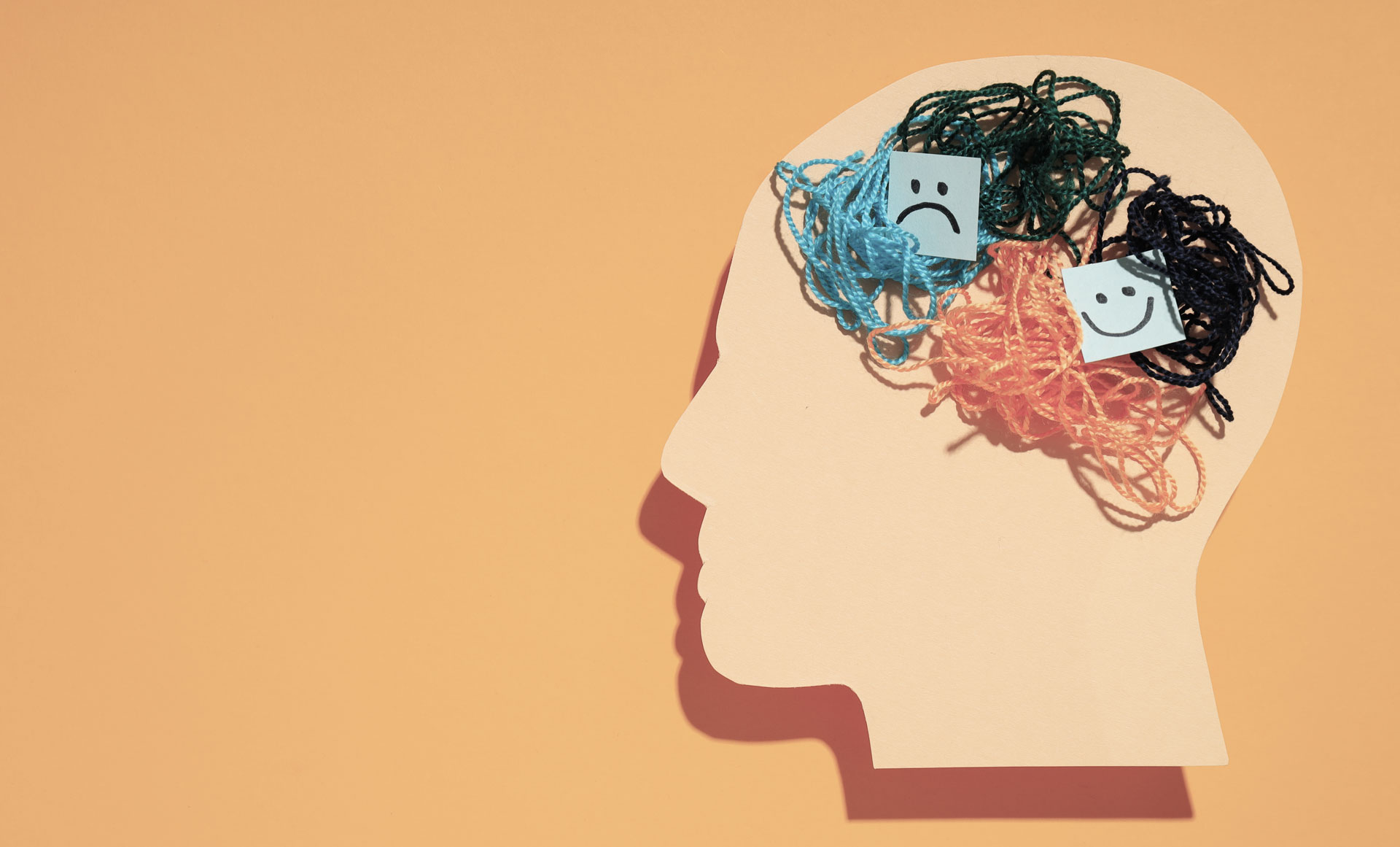
Stress is designed to be short-term. It is your body’s built-in alarm system, activating when something requires immediate attention or action. In small doses, it sharpens focus, increases energy, and helps you respond quickly.
But when stress stops being temporary and becomes constant, the system meant to protect you begins to work against you. Over time, chronic stress can quietly reshape how your brain functions, how your body feels, and how you experience daily life.
The Shift From Alert to Overloaded
At the center of the stress response is cortisol, often referred to as the body’s primary stress hormone. When a stressor appears, cortisol rises to help mobilize energy and keep you alert. Once the situation passes, levels are meant to return to baseline.
With chronic stress, that reset does not happen.
Instead, the nervous system remains in a prolonged state of activation. You may feel constantly “on edge,” fatigued but unable to relax, or stuck in a loop of tension and exhaustion. Over time, this sustained activation can dysregulate the balance between the sympathetic nervous system (fight or flight) and the parasympathetic nervous system (rest and restore).
This is what many people describe as living in “survival mode.”
How Chronic Stress Disrupts Sleep
One of the first areas affected by chronic stress is sleep. Elevated cortisol levels can interfere with the body’s natural sleep-wake cycle, making it difficult to fall asleep, stay asleep, or feel rested.
You may notice:
-
Difficulty turning your mind off at night
-
Waking up frequently or too early
-
Feeling tired despite adequate time in bed
Over time, poor sleep further amplifies stress, creating a cycle that can be difficult to break. Sleep deprivation also reduces emotional resilience, making everyday challenges feel more overwhelming.
Anxiety, Mood, and Emotional Instability
Chronic stress does not just affect the body. It directly impacts emotional regulation.
When the brain is repeatedly exposed to stress signals, areas involved in fear and threat detection become more reactive. This can lead to:
-
Persistent anxiety or a sense of impending worry
-
Irritability or mood swings
-
Feeling overwhelmed by situations that once felt manageable
At the same time, prolonged stress can reduce activity in areas of the brain responsible for emotional regulation and decision-making, making it harder to respond calmly or thoughtfully.
The Impact on Focus and Decision-Making
Many people experiencing chronic stress report difficulty concentrating, forgetfulness, or mental fatigue.
This is not a lack of motivation. It is a neurological response.
Chronic stress affects the prefrontal cortex, the part of the brain responsible for planning, focus, and decision-making. When this area is under strain, you may notice:
-
Trouble staying focused on tasks
-
Difficulty making decisions, even small ones
-
Feeling mentally “foggy” or scattered
At the same time, the brain prioritizes threat detection over higher-level thinking, which can make it harder to think clearly under pressure.
When Stress Becomes Something More
One of the challenges with chronic stress is how closely it can resemble other mental health conditions.
Burnout, generalized anxiety, and depression often overlap. You may experience:
-
Emotional exhaustion and detachment (burnout)
-
Constant worry and physical tension (anxiety)
-
Low mood, lack of motivation, or withdrawal (depression)
These experiences are not separate from stress. In many cases, they are the result of prolonged stress on the brain and body.
Understanding this overlap is important. It helps explain why simply “pushing through” rarely works and why professional support can be essential.
Resetting the Stress Response
The effects of chronic stress are real, but they are also treatable. The brain and nervous system are capable of change, especially when given consistent support.
Effective strategies often include a combination of approaches:
Therapy
Working with a mental health professional can help identify stress patterns, develop coping strategies, and address underlying anxiety or mood concerns.
Medication, when appropriate
For some individuals, medication can help regulate mood, reduce anxiety, and stabilize the nervous system, making it easier to engage in other forms of treatment.
Sleep regulation
Prioritizing consistent sleep and addressing sleep disturbances is one of the most impactful ways to reduce overall stress load.
Nervous system regulation techniques
Practices such as deep breathing, mindfulness, and grounding exercises can help shift the body out of a constant stress response and into a more regulated state.
Boundaries and lifestyle adjustments
Chronic stress is often tied to ongoing demands without adequate recovery. Learning to set limits, reduce overload, and create space for rest is essential for long-term balance.
Moving From Survival Mode to Stability
Chronic stress can make it feel like you are always reacting, always behind, or always bracing for what comes next. Over time, that state can begin to feel normal.
It is not.
With the right support, it is possible to move out of survival mode and into a more stable, regulated way of living. Understanding how stress affects the brain is the first step. Taking action to support your mental and physical health is what creates lasting change.
If you find yourself constantly overwhelmed, exhausted, or unable to reset, it may be time to look beyond stress as a temporary issue and begin addressing it as something that deserves care and attention.
Schedule an appointment and take the first step toward a more grounded and intentional year.
SouthEnd Psychiatry