
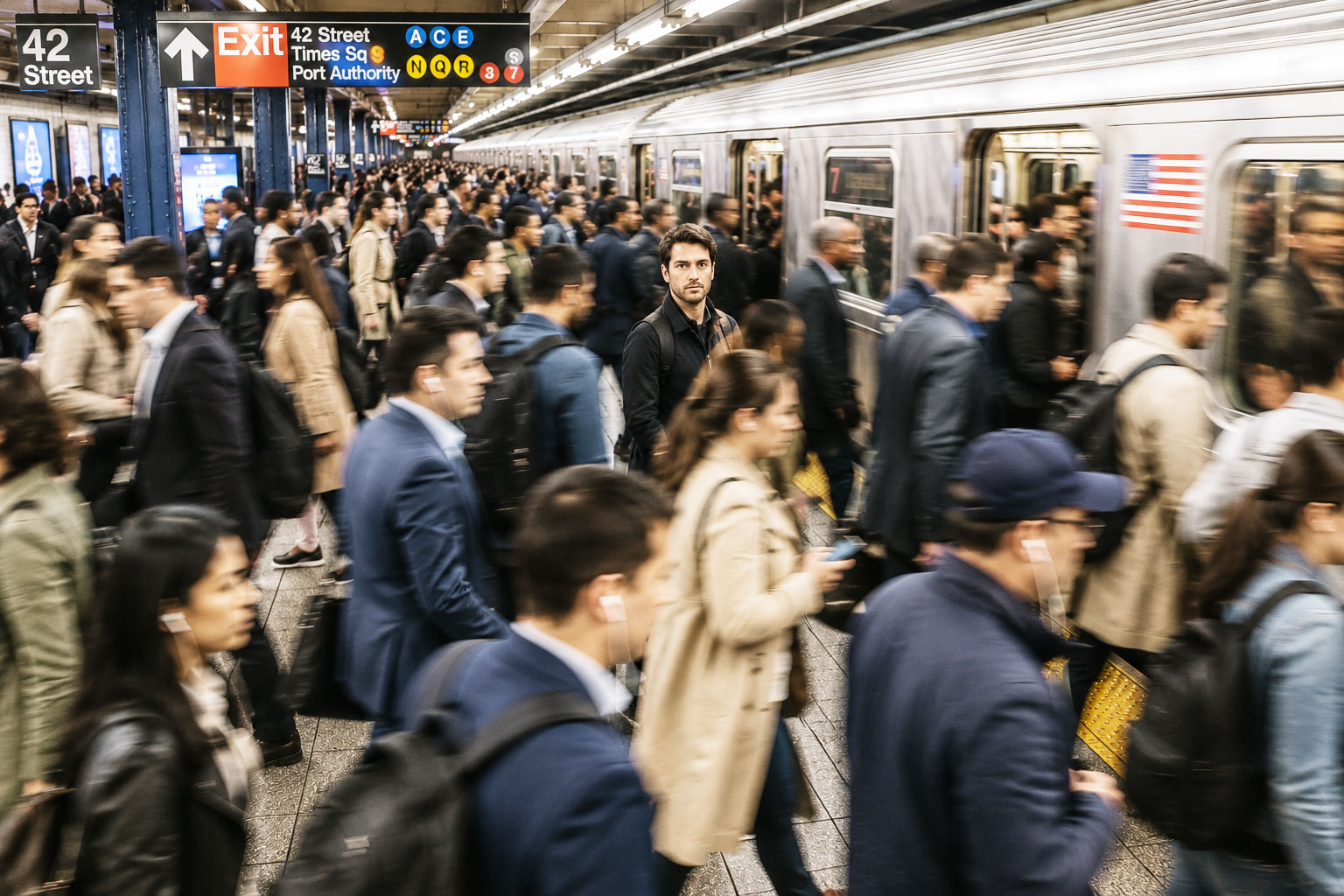
For many New Yorkers, September doesn’t feel like the end of summer—it feels like the beginning of a new year.
The city’s rhythm changes almost overnight. Vacation schedules come to an end, schools reopen, offices fill back up, subway platforms become more crowded, and calendars that once had room to breathe suddenly become packed with meetings, activities, and obligations.
While these changes can be exciting, they also require significant mental energy. Even positive transitions can increase stress, anxiety, and emotional fatigue. Understanding why this happens—and how to protect your mental well-being during the shift—can help you enter the fall feeling more balanced and resilient.
Why Even Positive Changes Can Feel Exhausting
It’s easy to assume that stress only comes from difficult situations, but the brain works hard anytime routines change.
Returning from vacation, starting a new school year, beginning a new project, or adjusting to a busier schedule all require your brain to process new information, make more decisions, and adapt to different expectations. This increased mental workload can leave you feeling tired, irritable, or overwhelmed, even when life is going well.
Transitions often involve:
- Changes in daily routines
- Increased decision-making
- More social interaction
- Higher expectations at work or school
- Less downtime for recovery
If you’ve noticed yourself feeling mentally drained in September, you’re not imagining it. Your mind is working overtime to adjust.
The Hidden Impact of City Living
Living in New York offers incredible opportunities, but it also means navigating an environment filled with constant stimulation.
Every day may include crowded sidewalks, packed subway cars, traffic noise, overflowing inboxes, endless notifications, and thousands of small interactions that require attention. While your brain filters much of this automatically, the cumulative effect can contribute to increased anxiety and emotional fatigue.
Research suggests that continuous sensory stimulation can elevate stress hormones and make it more difficult to fully relax. Over time, this can affect mood, concentration, sleep, and overall emotional well-being.
When your schedule becomes busier in the fall, the added stimulation can make even routine days feel exhausting.
Why Your Commute May Be Draining More Than Your Time
For many professionals, the workday begins long before they arrive at the office.
A crowded commute often means standing shoulder-to-shoulder with strangers, navigating delays, managing noise, and staying alert from the moment you leave home. By the time your workday officially starts, your brain may already be operating under heightened stress.
You might notice:
- Increased irritability before work
- Difficulty concentrating
- Feeling emotionally “on edge”
- Decision fatigue early in the day
- Feeling completely depleted by the evening
These reactions aren’t signs of weakness. They’re a reflection of how the brain responds to prolonged stress and overstimulation.
Build “Micro-Recovery” Into Your Day
Many people believe self-care requires an hour at the gym or an entire weekend away. In reality, small moments of recovery throughout the day can have a powerful impact on your mental health.
These “micro-recovery” moments help calm your nervous system before stress builds to an unhealthy level.
Consider incorporating habits like:
- Taking three slow, intentional breaths before opening your email.
- Stepping outside for a five-minute walk between meetings.
- Listening to calming music or a favorite podcast during your commute.
- Putting your phone away during lunch.
- Stretching for a few minutes after sitting for long periods.
- Spending a few quiet moments in a nearby park before heading home.
These brief pauses give your brain opportunities to reset, making it easier to stay focused and emotionally regulated throughout the day.
Protect Yourself From Fall Burnout
Burnout rarely happens overnight. It usually develops gradually as stress accumulates without adequate recovery.
September is the perfect time to establish healthy boundaries before the busy holiday season arrives.
Try to:
- Protect your sleep schedule as routines become busier.
- Avoid overcommitting to every social or professional obligation.
- Schedule downtime just as intentionally as work meetings.
- Continue activities that helped you recharge during the summer.
- Recognize that productivity doesn’t require constant availability.
Maintaining these habits now can make the coming months feel much more manageable.
When Stress Becomes Something More
Feeling temporarily overwhelmed during a seasonal transition is common. However, if stress begins interfering with your daily life, it may be time to seek additional support.
Consider speaking with a mental health professional if you experience:
- Anxiety that feels difficult to control
- Persistent sadness or loss of motivation
- Trouble sleeping for several weeks
- Panic attacks
- Difficulty concentrating at work
- Increased irritability or emotional exhaustion
- Withdrawing from friends or activities you usually enjoy
Seeking help isn’t a sign that you’ve failed to manage stress. It’s a proactive step toward protecting your health before symptoms become more severe.
Give Yourself Permission to Adjust
As New York returns to its fast-paced rhythm, remember that you don’t have to match the city’s speed every moment of every day.
Building intentional pauses, protecting your energy, and recognizing when you need support can make a meaningful difference in your mental well-being—not just this fall, but throughout the year.
Ready to Prioritize Your Mental Health?
If you’re finding that stress, anxiety, or emotional exhaustion are becoming difficult to manage, the team at SouthEnd Psychiatry is here to help. We provide compassionate, evidence-based care tailored to your unique needs, helping you build practical strategies for navigating life’s transitions with confidence.
Contact SouthEnd Psychiatry today to schedule an appointment and take the first step toward a healthier, more balanced season.